A Royal Responsibility: Listen First

Last week, I found myself in a position I never imagined when I joined the care sector. I was invited to attend a reception at Windsor Castle, hosted by the King and Queen, in recognition of carers across the UK. The event is later this week.
While honoured to be asked, I wanted to speak with the weight of real experience behind me, and that meant listening first to the carers who do this work every day and understand care in its truest form.
That’s why I wrote to a small group of colleagues who had been recognised through our Golden Heart Employee Awards. Between them, they represent decades of frontline care experience across different roles, shifts and settings. I asked a simple question: If you had the chance to speak to the King and Queen, what would you want them to understand about care?
I asked them to feedback via email or by joining one of two “drop in brainstorms”. What came back was humbling.
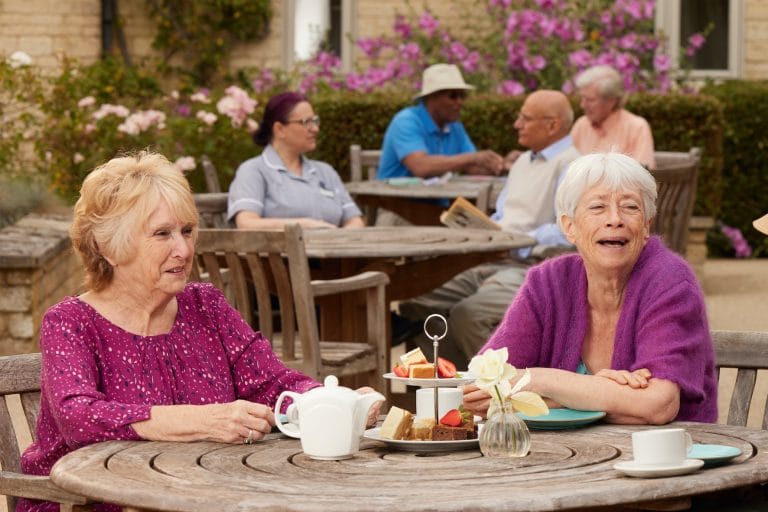
Again and again, carers spoke about home. Not buildings, not services, but the feeling of home. They described how moving into care is often one of the hardest decisions a person and their family will ever make. Good care, they said, starts with recognising that loss and helping people feel safe, known and independent again, in a place that is no longer the family home, but can still feel like their home.
They talked about the quiet moments. Care is not just what happens during activities or visiting hours. It’s the calm reassurance in the middle of the night, the patience shown when someone is frightened or confused, the consistency of being there day after day. Real care is made up of small actions, done with attention and kindness, often when no one is watching.
Many spoke about families, and the emotional weight they carry. Carers see how difficult it is for families to hand over care, often after years of looking after a loved one themselves. Supporting families, listening to their worries, and reassuring them that their relative is never alone, is just as important as the physical care provided.
What struck me most was how deeply personal care is for those who choose this work. Several carers reflected on caring for residents as they would their own parents, informed by their own life experiences, losses and responsibilities. They spoke about residents as people, people who have lived through war, raised families, worked hard and shaped the world we now live in. Care is rooted in respect for lives fully lived.
And they spoke about end of life. For some residents, a care home is the final chapter. Carers described this as a privilege: to listen, offer comfort and dignity, supporting families through their most painful goodbyes.
Reading these reflections reminded me why it is important to ask the question in the first place. If care is to be properly understood, valued and supported, it must be described by the people who do it, in their words, grounded in real human experience.
I’ll share more reflections after the event itself, and after I’ve worked out what to wear!?
But whatever conversations happen in grand rooms, what I will be carrying with me is the voices of the carers who show up every day, with compassion, patience and humanity, who understand that care is not a service, but a deeply human act.
Dr Olivia Curno, Chief Executive